Journal
OCTOBER 2026
The Cycladic way of life
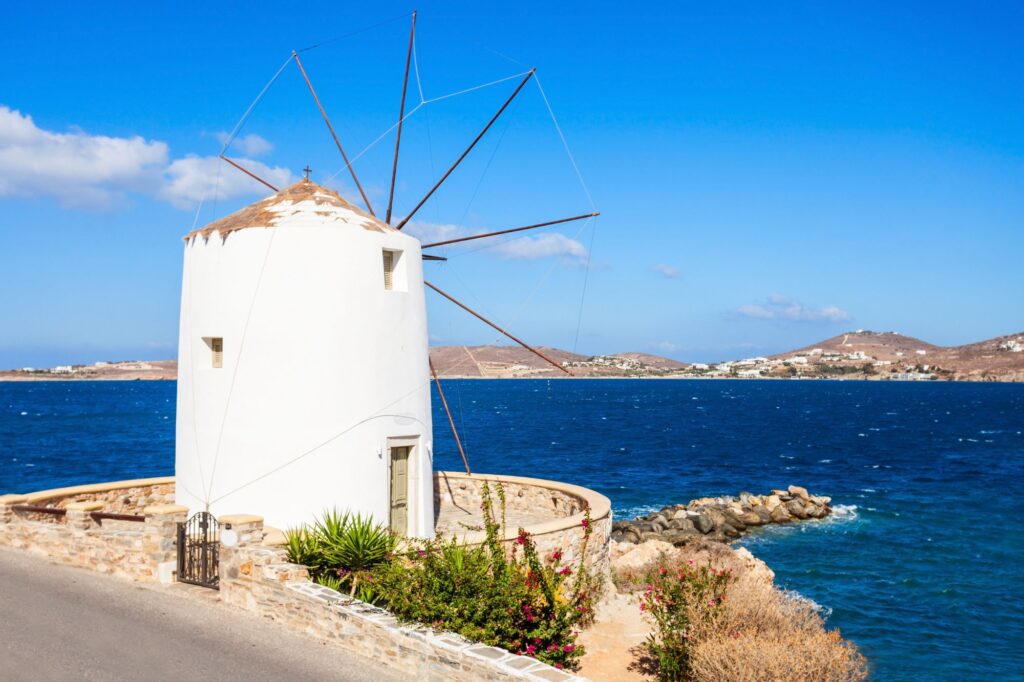
The Cyclades are often defined by their whitewashed houses, blue-domed churches and brilliant Aegean light, but the true character of the islands goes far beyond their appearance. The Cycladic way of life is built around simplicity, community, seasonality and a close relationship with the sea. Paros combines traditional island rhythms with a more polished, contemporary atmosphere, while Tinos remains deeply connected to its villages, craftsmanship and rural traditions. Together, they offer a clear picture of what makes life in the Cyclades so distinctive. To experience these islands properly, it helps to slow down. Days are shaped by long meals, spontaneous swims, village walks and time spent outdoors. The beauty lies not in rushing from one attraction to another, but in allowing the island itself to set the pace.
Paros: A refined take on island living
Paros has become one of the most stylish islands in Greece, yet its appeal still comes from the balance between sophistication and tradition. Naoussa may be known for its elegant restaurants, boutique hotels and lively harbour, but early in the morning it reveals a quieter side, when fishing boats return, cafés begin to open and the streets are still calm.
This contrast is part of the island’s charm. Paros offers luxury, but it also preserves the everyday rhythm of Cycladic life. Inland villages such as Lefkes provide a slower experience, with narrow lanes, old houses and shaded squares surrounded by hills and olive trees.
Walking is one of the best ways to connect with this side of Paros. The Byzantine Road passes through the countryside and links traditional settlements, offering a different perspective from the beaches and coastal resorts. It is a reminder that Paros has always been more than a summer destination.
Food also plays a central role. Meals are rarely rushed, and local ingredients remain at the heart of the experience. Fresh fish, seasonal vegetables, local cheeses and simple dishes are often enjoyed over long lunches that stretch into the afternoon.
Tinos: Tradition, craftsmanship and a slower rhythm
Tinos offers a more understated interpretation of Cycladic life. The island is shaped by its villages, stone terraces, dovecotes and old footpaths, creating a landscape that feels deeply connected to generations of local history.
Much of the island’s character is found away from the coast. Pyrgos is one of the best examples, with its strong marble tradition visible in fountains, doorways, churches and public spaces. Craftsmanship is part of everyday life here, not simply something preserved for visitors.
Volax provides another perspective. Surrounded by enormous granite boulders, the village feels almost otherworldly, yet its small workshops and quiet streets reflect the same strong sense of continuity found across Tinos.
The island is especially rewarding on foot. Old trails connect villages and pass through farmland, hillsides and rural landscapes, allowing visitors to experience Tinos at a natural pace. A walk may lead to a tiny chapel, a family-run taverna or a village square where the afternoon seems to unfold without urgency.
Tinos is also strongly connected to food, local production and seasonal traditions. Meals tend to be simple, generous and rooted in what the island produces.
Paros and Tinos show two sides of the same Cycladic philosophy. One is more cosmopolitan, the other more rural, but both share a respect for simplicity, place and time. The Cycladic way of life is ultimately about living well with less rush, more connection and a deeper appreciation for the everyday.
Your Summer Awaits
Whether you seek the refined vibrance of Paros or the tranquil authenticity of Tinos, the Cyclades offer something rare: space to breathe.
BOOK YOUR STAY; ?>/assets/img/arrow-right.png)
From The Journal
READ THE JOURNAL