Journal
OCTOBER 2026
Is Paros worth visiting in winter?
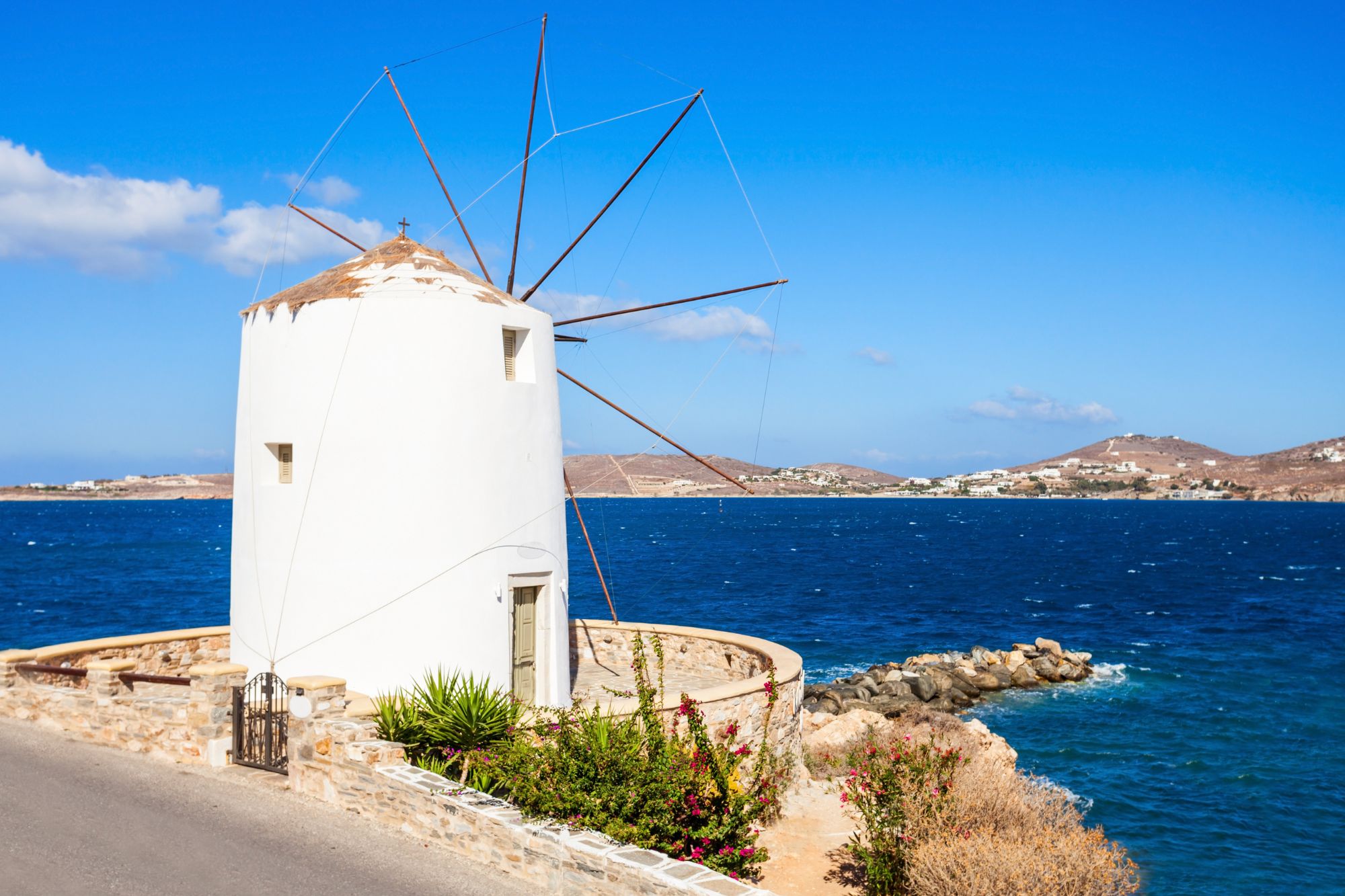
Paros is often associated with sun-filled beaches, lively harbours and long summer evenings, but the island has a different kind of charm during the winter months. As the crowds disappear and the pace of life slows down, Paros reveals a quieter, more authentic side of the Cyclades. Traditional villages, peaceful coastal landscapes and everyday island life take centre stage, offering visitors an experience that feels far removed from the busy summer season. For those who enjoy exploring destinations beyond their most popular months, winter in Paros can be particularly rewarding. The island may be less lively, but its natural beauty, local character and relaxed atmosphere remain unchanged.
Paros in winter: A slower island experience
Winter brings a noticeable change to the rhythm of Paros. Naoussa, known for its stylish restaurants and vibrant summer atmosphere, becomes a peaceful fishing village once again. The harbour is quieter, the narrow streets are almost empty and daily life moves at a more natural pace.
Parikia, the island’s main town, remains active throughout the year. Local cafés, traditional tavernas and small shops continue to serve the island’s permanent residents, creating an atmosphere that feels more connected to everyday Cycladic life.
Without the summer crowds, there is more time to appreciate the details that often go unnoticed. Whitewashed houses, old churches, sheltered squares and views across the Aegean become part of a slower, more personal experience.
Exploring the villages and countryside
One of the greatest advantages of visiting Paros in winter is the opportunity to explore its inland landscapes. Cooler temperatures make walking particularly enjoyable, especially in traditional villages and rural areas that can feel too hot during the summer.
Lefkes is among the most rewarding places to visit. Surrounded by hills and olive groves, the village is known for its narrow stone lanes, traditional architecture and peaceful atmosphere. During winter, its quiet squares and winding pathways offer a clear picture of the island’s traditional character.
The historic Byzantine Road, connecting Lefkes with Prodromos, is another highlight. This old stone-paved route passes through the countryside, offering views of terraced hillsides and rural landscapes. Winter greenery adds a different dimension to the scenery, making the walk especially appealing on clear days.
Smaller villages such as Marpissa and Prodromos also provide opportunities to discover a more understated side of Paros, where local traditions and everyday routines continue throughout the year.
Winter weather and the beauty of the Aegean
Paros enjoys a Mediterranean climate, with winters that are generally milder than those in much of northern Europe. However, the season also brings cooler temperatures, occasional rain and strong Aegean winds.
Sunny winter days can be ideal for exploring the island, walking along the coast or enjoying a quiet coffee overlooking the sea. The beaches, although usually too cold for swimming, remain among the island’s most beautiful landscapes.
Places such as Kolymbithres and Santa Maria take on a completely different atmosphere without the summer crowds. Their open stretches of sand, rocky formations and uninterrupted sea views offer a sense of calm that is difficult to find during peak season.
Winter also reveals a greener side of Paros. After the first seasonal rains, hillsides and fields gradually change colour, creating a softer landscape that contrasts with the dry, sunlit scenery of summer.
Is winter the right time to visit Paros?
A winter visit to Paros requires different expectations from a summer holiday. Many boutique hotels, beachside restaurants and tourist businesses close for the season, and ferry schedules can be affected by strong winds. Planning accommodation and transport in advance is therefore important.
However, these seasonal limitations are also part of what makes winter appealing. With fewer visitors, the island feels more spacious and personal. There is no need to plan around crowded beaches or restaurant reservations, and exploring becomes a more spontaneous experience.
Paros in winter is particularly suited to travellers who enjoy nature, photography, walking, traditional villages and discovering the everyday character of a destination.
Ultimately, Paros is worth visiting in winter for the very reasons that make the Cyclades special beyond their summer appeal. The island becomes quieter, simpler and more closely connected to its local rhythms. For those willing to embrace a slower pace, winter offers an opportunity to experience Paros not simply as a holiday destination, but as a place with its own traditions, landscapes and way of life.
Your Summer Awaits
Whether you seek the refined vibrance of Paros or the tranquil authenticity of Tinos, the Cyclades offer something rare: space to breathe.
BOOK YOUR STAY; ?>/assets/img/arrow-right.png)
From The Journal
READ THE JOURNAL