Journal

AUGUST 2026
What makes the Cyclades unique?
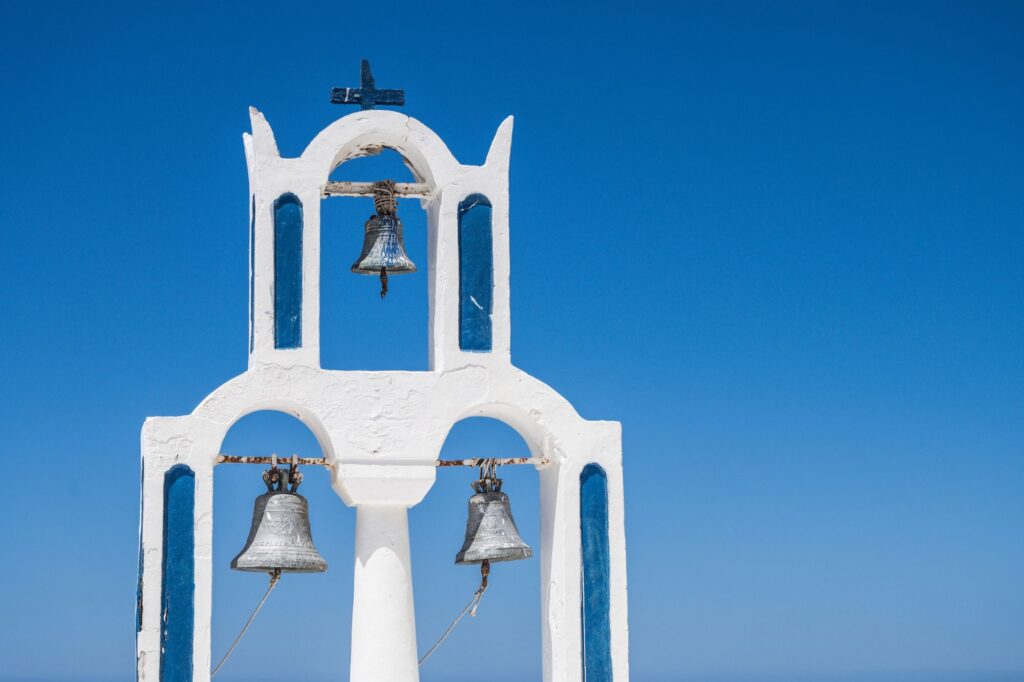
The Cyclades are among Greece’s most recognizable island groups, yet their appeal goes far beyond whitewashed houses and blue-domed churches. Scattered across the Aegean Sea, the islands share a common architectural style, strong maritime traditions and a landscape shaped by wind, stone and intense sunlight. At the same time, each island has developed its own rhythm, cuisine and cultural identity. Paros and Tinos are excellent examples of this balance between shared Cycladic character and local individuality.
Paros: Traditional character with a lively spirit
Paros combines classic Cycladic beauty with an energetic, contemporary atmosphere. Its main town, Parikia, is built around narrow lanes, traditional houses and small courtyards filled with bougainvillea. The historic Panagia Ekatontapiliani church adds depth to the island’s cultural identity and reflects its long religious and architectural history.
Naoussa, once a quiet fishing village, is now one of the most popular destinations in the Cyclades. Its small harbour is lined with fishing boats, restaurants and cafés, while the surrounding streets offer stylish shops and lively nightlife. Despite its popularity, Naoussa still preserves many elements of its traditional character.
The island’s landscape also makes it distinctive. Paros has gentle hills, fertile areas and villages such as Lefkes, where visitors can experience a quieter side of island life. Old walking paths connect settlements and reveal stone walls, olive trees, churches and panoramic views.
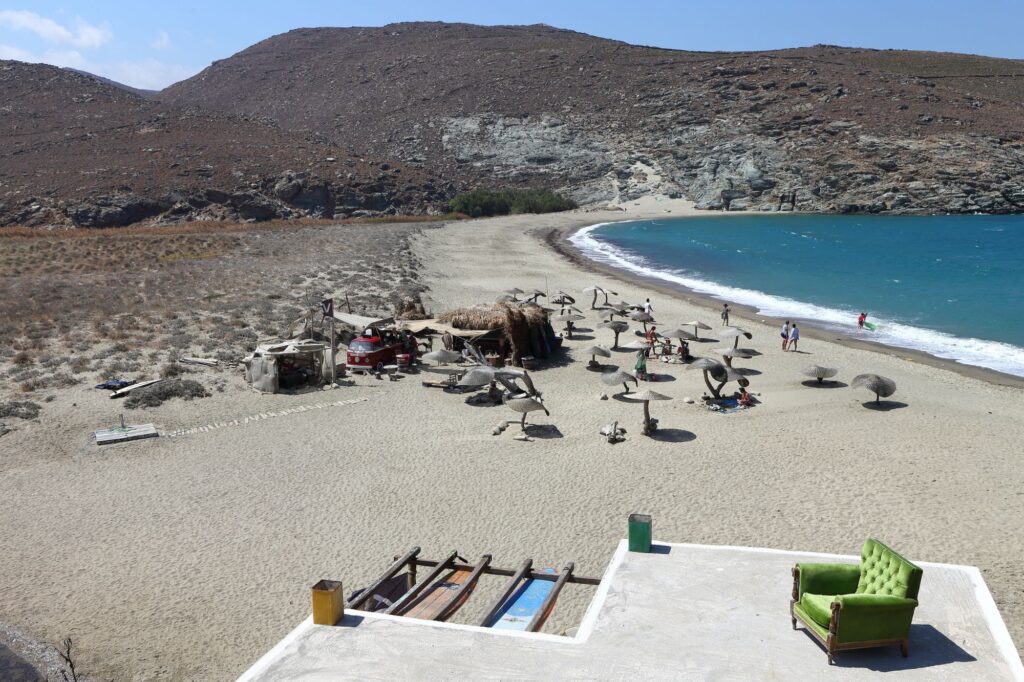
Paros is also known for its beaches and water sports. The strong Aegean winds create excellent conditions for windsurfing and kitesurfing, while quieter beaches offer clear water and relaxed surroundings. This variety allows Paros to attract families, couples, young travellers and outdoor enthusiasts without feeling limited to one type of tourism.
Food is another important part of the experience. Local cheeses, seafood, wine and traditional dishes connect the island’s modern restaurants with its agricultural and fishing heritage.
Tinos: Art, spirituality and authentic island life
Tinos has a more reflective and deeply traditional identity. It is famous across Greece as a major religious destination because of the Church of Panagia Evangelistria. However, the island offers much more than pilgrimage tourism.
Its villages are among the most beautiful and distinctive in the Cyclades. Pyrgos is particularly well known for its marble tradition, elegant squares and skilled sculptors. Marble appears in doorways, fountains, churches and decorative details, giving the island a unique artistic character.
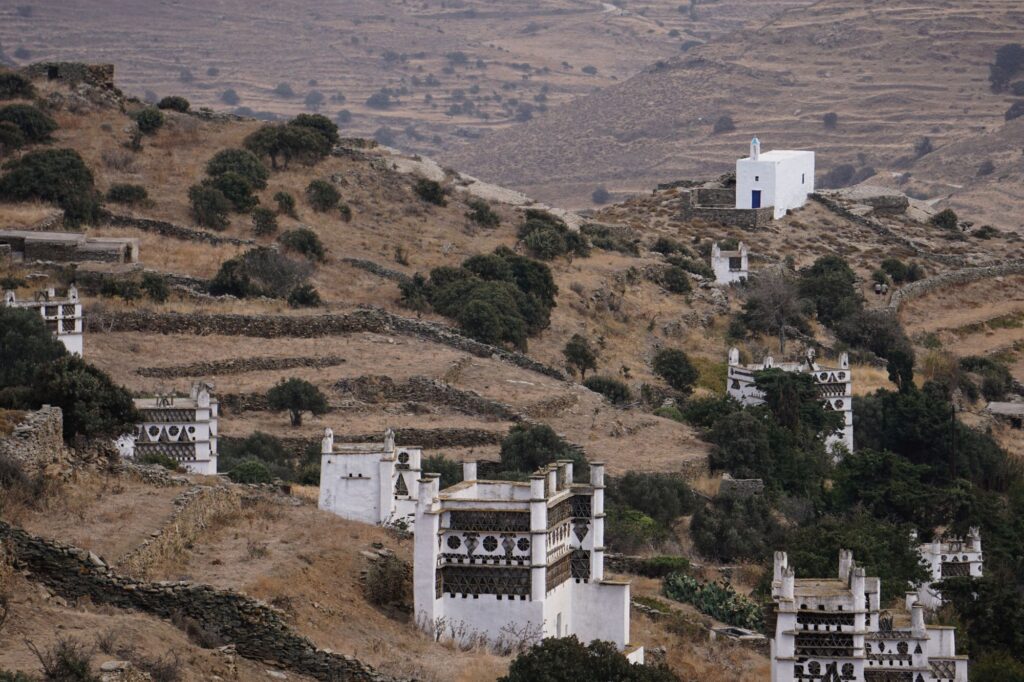
Tinos is also famous for its dovecotes, carefully designed stone structures found throughout the countryside. Their geometric patterns show how practical rural buildings became works of folk architecture. Terraced hillsides, dry-stone walls and windswept landscapes create a dramatic setting that feels less polished and more authentic than many heavily developed islands.
The island has a strong culinary identity based on local products, including artichokes, cheeses, capers and cured meats. Small villages and family-run tavernas offer a slower, more personal experience.
Together, Paros and Tinos show what makes the Cyclades unique: simplicity, beauty and tradition expressed in different ways. Paros feels social, varied and dynamic, while Tinos feels artistic, spiritual and grounded.
Your Summer Awaits
Whether you seek the refined vibrance of Paros or the tranquil authenticity of Tinos, the Cyclades offer something rare: space to breathe.
BOOK YOUR STAY; ?>/assets/img/arrow-right.png)
From The Journal
READ THE JOURNAL