Journal
APRIL 2026
What makes Tinos truly unique?
Tinos is one of those rare destinations that quietly stands out without trying too hard. While it belongs to the Cyclades, it offers a completely different experience from the typical island formula of beach clubs and crowded alleys. Instead, it invites visitors to slow down, explore, and connect with something more authentic.
A spiritual heart
Tinos stands apart in the Cyclades primarily because of its deep spiritual significance. While many Greek islands are known for beaches and nightlife, Tinos carries a powerful religious identity centered around the Church of Panagia Evangelistria. This is one of the most important pilgrimage sites in Greece, drawing thousands of visitors each year, especially on August 15th. What makes this experience unique is not just the church itself, but the devotion it inspires.
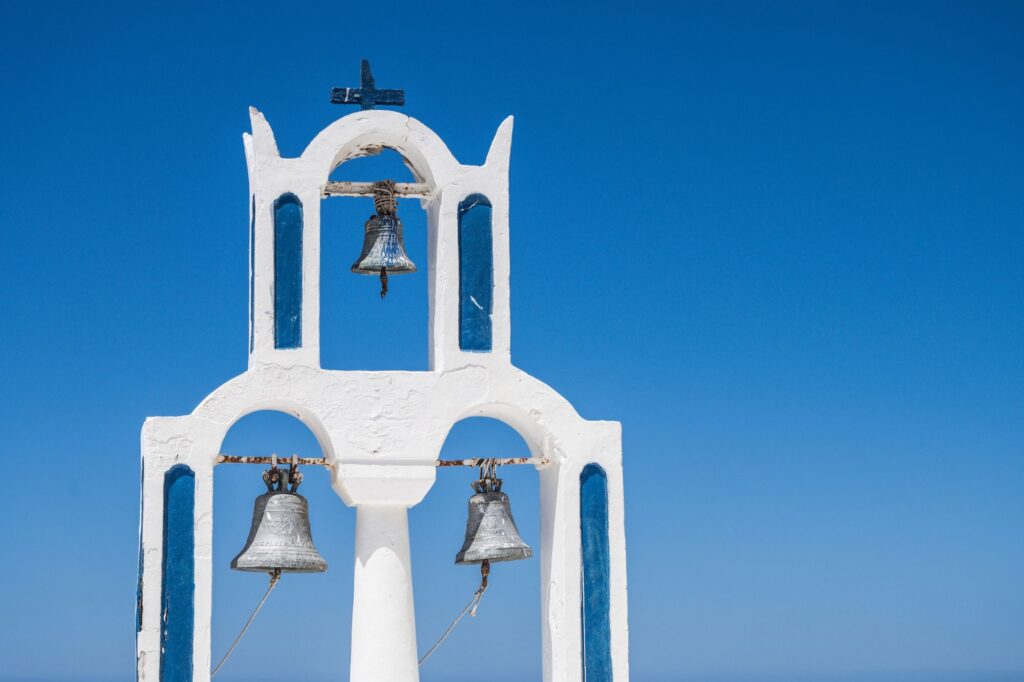
Beyond organized religion, there is a quiet, almost mystical atmosphere across the island. Small chapels are scattered everywhere, on hillsides, near beaches, and within villages, creating a sense that spirituality is woven into daily life. Unlike other destinations where tourism dominates the identity, Tinos maintains a balance between sacred tradition and modern travel, offering a more introspective and meaningful experience.
A landscape shaped by tradition
Tinos is often described as an “open-air museum,” and for good reason. The island has a long-standing tradition of marble craftsmanship that dates back centuries. The village of Pyrgos, in particular, is the artistic heart of this heritage. Walking through its narrow streets, you’ll see intricate marble details everywhere, from doorways and fountains to sculptures and even bus stops. This level of craftsmanship is not staged for tourists; it is a living tradition passed down through generations.
What truly distinguishes Tinos is how naturally art blends into everyday life. The island is home to the School of Fine Arts, which has produced some of Greece’s most renowned sculptors and artists. As a result, creativity is embedded in the local culture, not confined to galleries. Even the smallest villages showcase unique architectural details, making exploration feel like a continuous discovery.
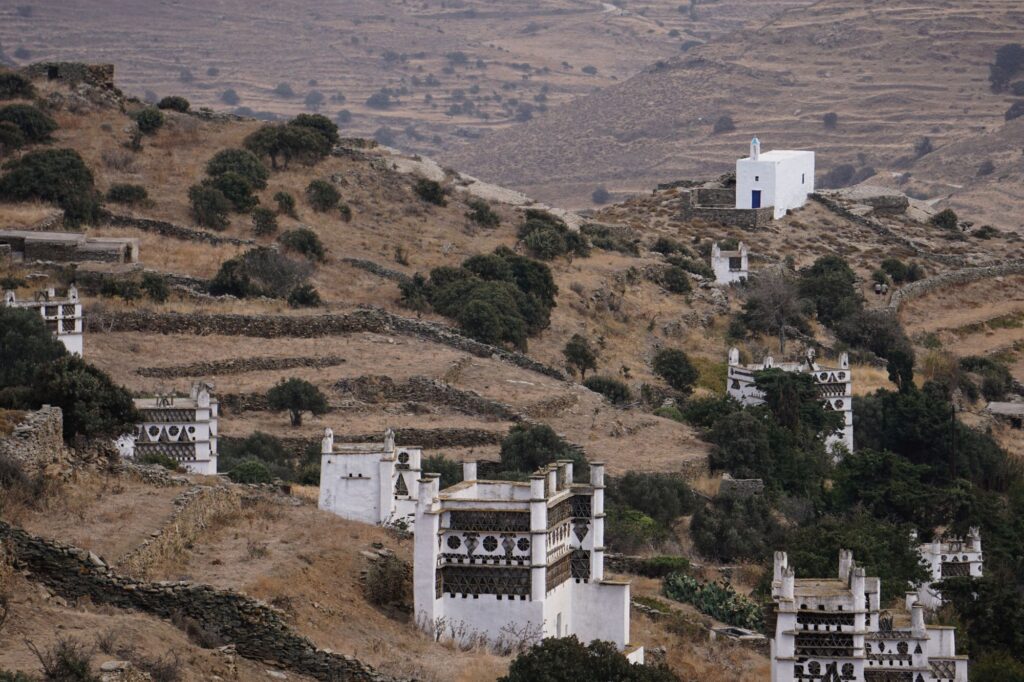
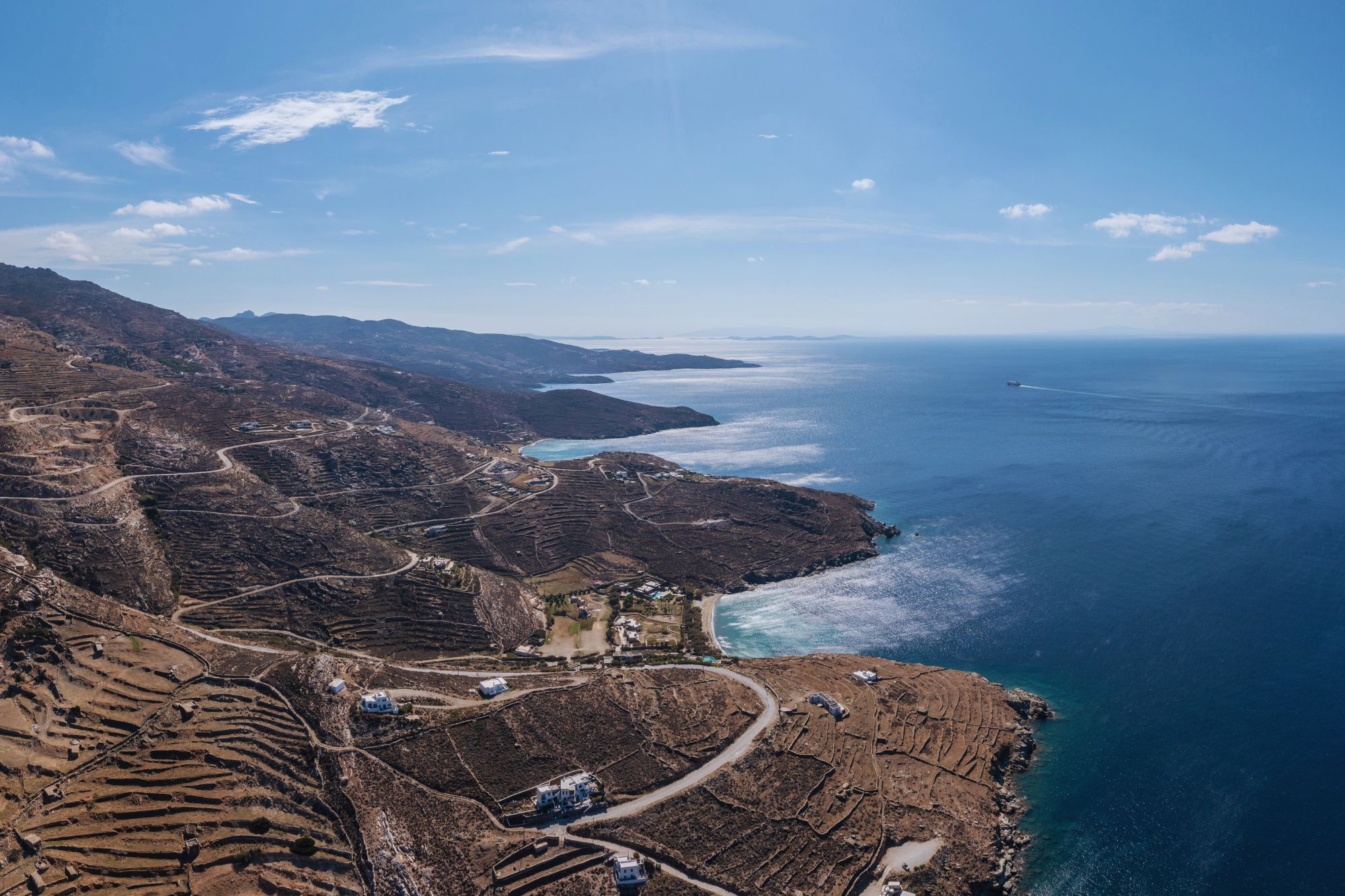
The natural landscape also contributes to its uniqueness. Unlike the dry, barren image many associate with the Cyclades, Tinos is surprisingly green, with terraced hillsides, fertile valleys, and an abundance of windmills and dovecotes. These iconic pigeon houses, with their geometric patterns, are found nowhere else in such density and are a defining visual element of the island.
Authenticity without the crowds
Perhaps the most refreshing aspect of Tinos is its authenticity. While neighboring islands like Mykonos attract large-scale tourism, Tinos has managed to preserve a more genuine and relaxed character. This doesn’t mean there is nothing to do, on the contrary, the island offers a rich mix of experiences, but everything feels more grounded and less commercialized.
The villages are a key part of this charm. Each one has its own identity, from the artistic vibe of Pyrgos to the traditional feel of Volax, with its unusual round granite formations. Locals still follow traditional ways of life, and visitors are often welcomed with genuine hospitality rather than scripted service. This creates a deeper connection to the place, allowing you to experience the island rather than just observe it.
Food is another area where Tinos stands out. The island has a strong culinary identity, rooted in local ingredients and recipes. From handmade cheeses to traditional pies and locally produced wine, the gastronomy reflects the island’s agricultural richness. Meals are not rushed; they are part of a slower, more intentional rhythm of life.
In a world where many destinations feel increasingly similar, Tinos offers something rare: a sense of individuality. It combines spirituality, artistry, and authenticity in a way that feels organic rather than curated. That is what makes Tinos truly unique – not just what you see, but how it makes you feel.
Your Summer Awaits
Whether you seek the refined vibrance of Paros or the tranquil authenticity of Tinos, the Cyclades offer something rare: space to breathe.
BOOK YOUR STAY; ?>/assets/img/arrow-right.png)
From The Journal
READ THE JOURNAL