Journal

AUGUST 2026
Cyclades: The heart of the Aegean
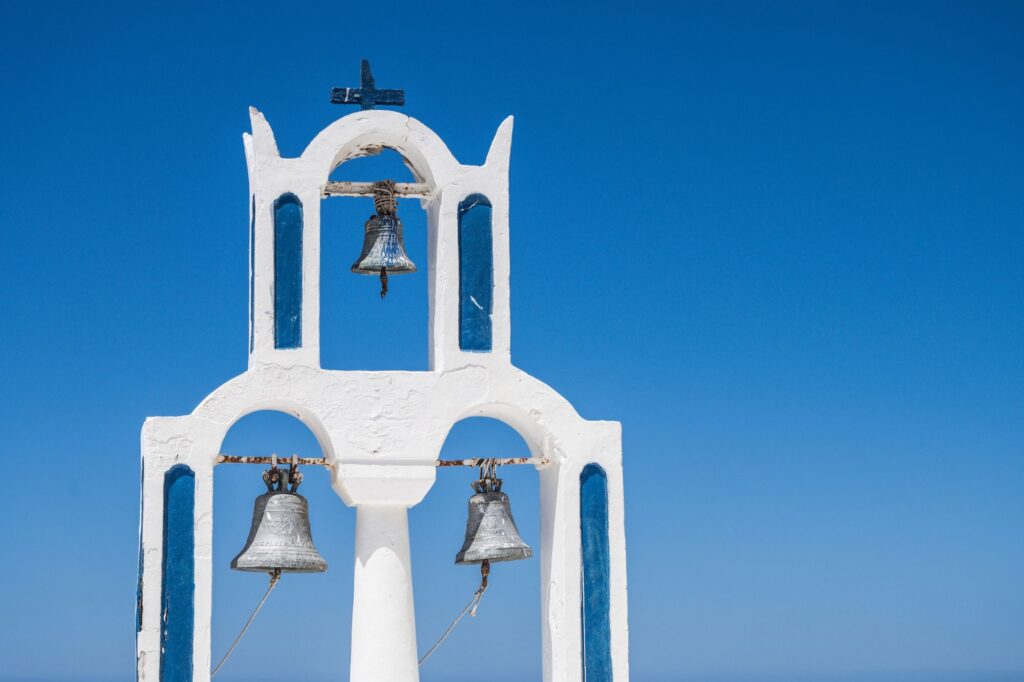
Scattered across the deep blue waters of the Aegean Sea, the Cyclades are among Greece’s most distinctive island destinations. Whitewashed villages, blue-domed churches, sunlit terraces and rugged coastlines have made the archipelago instantly recognisable, yet each island has its own character. Beyond the postcard images, the Cyclades offer a rich blend of history, local traditions, food and landscapes.
Among the group’s most rewarding destinations are Tinos and Paros. Although both share the classic Cycladic architecture and brilliant Aegean light, they reveal two very different sides of the islands.
Tinos: Tradition, art and timeless villages
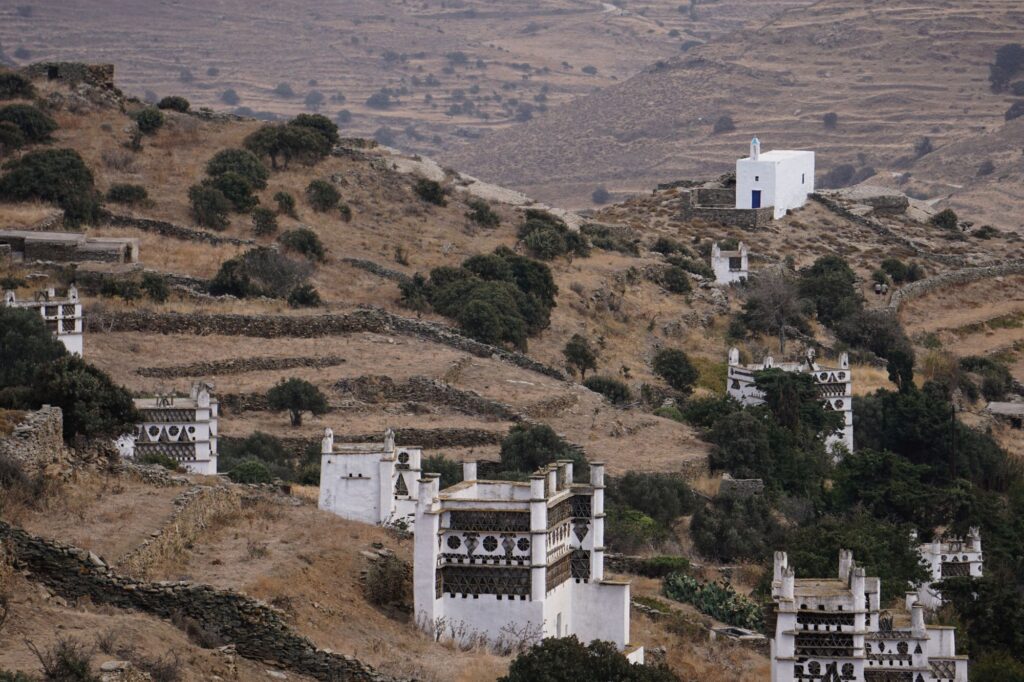
Tinos has long been associated with pilgrimage, thanks to the Church of Panagia Evangelistria in Tinos Town, one of Greece’s most important religious sites. Yet the island’s identity reaches far beyond its spiritual significance. Travel inland and Tinos becomes a landscape of stone walls, terraced hillsides, dovecotes and small villages where everyday life still feels closely connected to the land.
The island is particularly celebrated for its marble-working tradition. In the village of Pyrgos, marble appears everywhere: in doorways, fountains, courtyards and decorative details. The village has produced generations of skilled sculptors and craftsmen, giving Tinos an artistic reputation that remains central to its cultural identity.
Other villages, such as Volax, offer a different kind of beauty. Surrounded by enormous rounded granite boulders, Volax feels almost otherworldly, while its narrow streets and traditional houses preserve the intimate scale typical of Cycladic settlements.
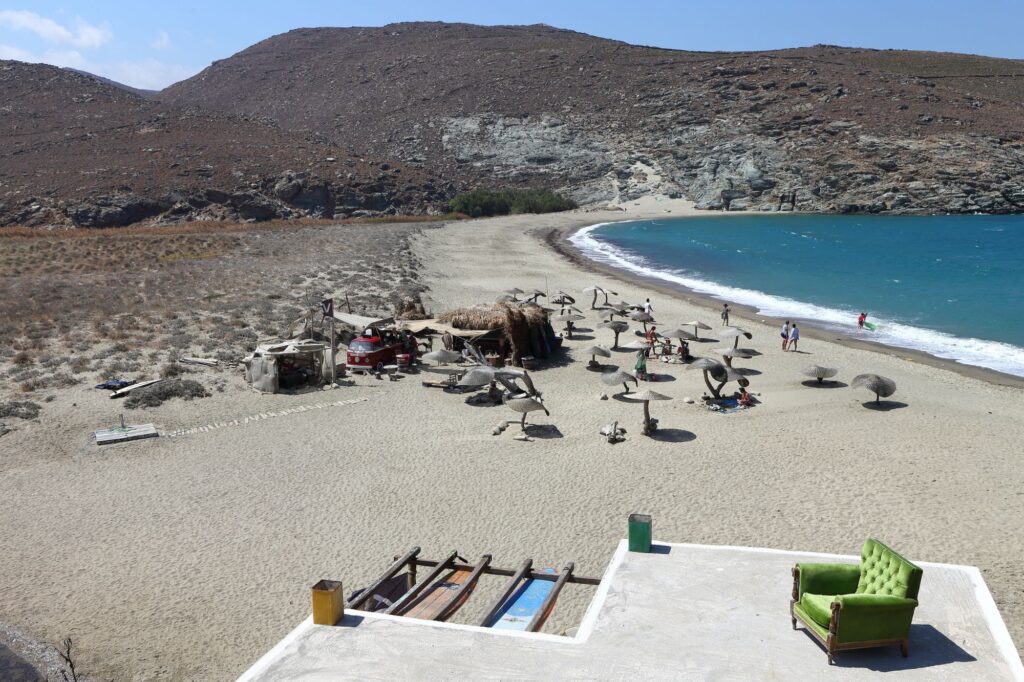
Tinos also appeals to travellers who enjoy exploring slowly. Walking paths connect villages, chapels and rural landscapes, while small tavernas serve dishes built around local produce, cheeses, herbs and seasonal ingredients. Its beaches range from sheltered coves to long, windswept stretches of coast, but the island’s greatest charm lies in the sense that discovery continues well beyond the shoreline.
Paros: Coastal beauty and Cycladic energy
Paros offers a livelier expression of Cycladic life. Its main town, Parikia, welcomes visitors with a waterfront lined with cafés and boats, but its historic centre is a maze of whitewashed lanes, hidden courtyards and traditional houses. The Church of Panagia Ekatontapiliani, one of the island’s most significant landmarks, reflects the long history that lies beneath the island’s relaxed holiday atmosphere.
On the north coast, Naoussa has become one of the Cyclades’ most stylish destinations. Built around a picturesque fishing harbour, it balances its traditional character with elegant restaurants, boutiques and bars. Fishing boats still sit beside the waterfront, while the surrounding lanes come alive in the evening as visitors gather for dinner and drinks.
Paros is also known for its beaches. From broad sandy bays to rocky coves with clear turquoise water, the coastline provides plenty of opportunities for swimming, sailing and water sports. The island’s winds have also made it particularly popular with windsurfers and kitesurfers.
Yet Paros is more than a coastal escape. Inland villages such as Lefkes reveal a quieter side of the island, with stone houses, narrow streets and views across olive-covered hills towards the sea.
Together, Tinos and Paros capture the diversity of the Cyclades. One invites travellers into a world of craftsmanship, tradition and rural beauty; the other combines historic charm with beaches and contemporary island life. Both, however, share the qualities that define the Cyclades at their best: brilliant light, distinctive architecture and an enduring connection to the Aegean.
Your Summer Awaits
Whether you seek the refined vibrance of Paros or the tranquil authenticity of Tinos, the Cyclades offer something rare: space to breathe.
BOOK YOUR STAY; ?>/assets/img/arrow-right.png)
From The Journal
READ THE JOURNAL